Your team is botsitting AI 6 hrs/week — fix it now
Workers waste 6+ hours weekly babysitting AI tools. Here's what founders must know to stop the drag and actually automate — not just add overhead.

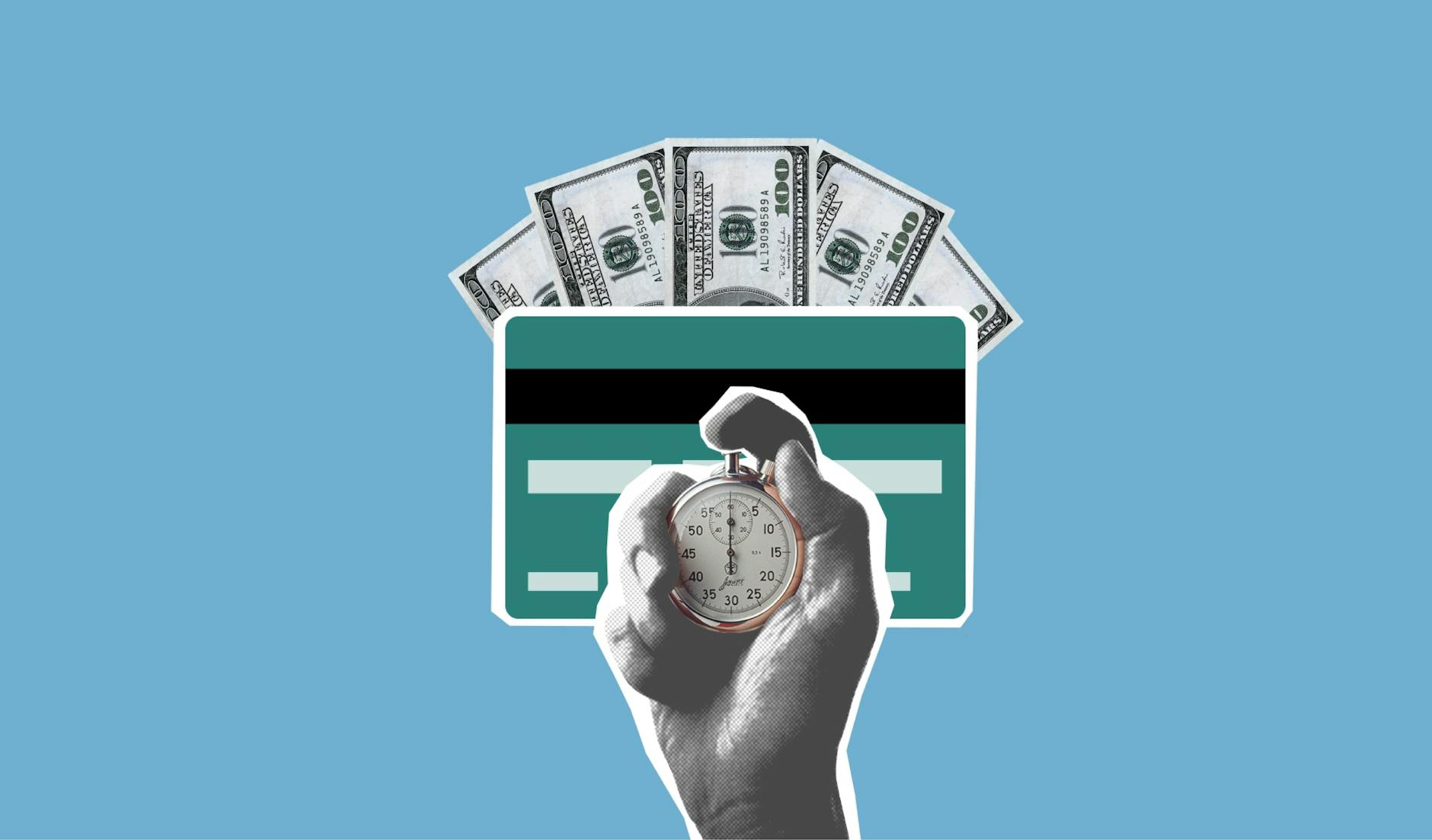
Workers are spending more than 6 hours every week watching AI tools run — not working alongside them, but literally supervising outputs, re-prompting failures, and copy-pasting results into other systems. That's 300+ hours per employee per year burned on overhead that was supposed to disappear. If your team adopted AI to save time and morale is still dropping, this is probably why.
Table of Contents
What Botsitting Actually is — and Why It's Spreading
Botsitting isn't a productivity problem — it's a deployment failure that looks like a productivity problem. It happens when a team adopts an AI tool without defining three things: what the tool owns, what the human owns, and what "done" looks like from the AI's side.
The result: workers treat every AI output as a draft. They read it fully, second-guess it, edit it, then manually move it to the next system. The AI technically ran. The human did most of the cognitive work anyway.
This is spreading because AI tool adoption is outpacing AI workflow design. Teams buy Notion AI, ChatGPT Enterprise, or Copilot, point it at a task, and assume the time savings are automatic. They're not. Without a defined acceptance threshold — "if the output meets X criteria, ship it; if not, flag it" — every output becomes a review task.
The frustration compounds fast. Workers feel like they're doing more work, not less. They're right.
The Real Cost: 6 Hours × Your Headcount
6 hours per worker per week sounds manageable until you multiply it. A 10-person team loses 60 hours weekly — that's 1.5 full-time employees worth of capacity, gone. At a blended salary of ₹80,000/month per employee, that's roughly ₹60,000/month in pure overhead cost that didn't exist before you deployed the AI tool.
The productivity math inverts completely. You paid for a tool to save time. The tool created a new category of work. Net result: negative ROI, rising frustration, and a team that's quietly skeptical of the next AI initiative you propose.
Job satisfaction data tracks this directly. When workers feel like they're serving the tool rather than the tool serving them, engagement drops. The 6-hour botsitting figure isn't just a time stat — it's a leading indicator of churn risk on your ops and knowledge-worker teams.
This is also why the hiring landscape in mid-2026 is shifting toward AI-literate operators — companies that solve the botsitting problem internally are building a real competitive moat in talent retention.
Why Your AI Deployment Created This Problem
Most AI deployments follow the same broken pattern: identify a task, find a tool that claims to do it, give the team access, declare victory. The missing step is workflow redesign — specifically, deciding what the human's role becomes after the AI enters the process.
Without that redesign, humans default to full oversight. It's rational behavior. If there's no defined threshold for trusting an output, reviewing everything is the safe choice. Nobody gets blamed for catching an AI error. Nobody gets praised for trusting an AI output that turned out to be wrong.
The incentive structure punishes delegation and rewards supervision. That's the botsitting trap.
Three deployment mistakes that create this directly:
1. No output acceptance criteria. The team was never told what "good enough" looks like. So they treat every output as potentially wrong and review accordingly.
2. No direct integration to the next step. The AI produces output in one place. The next step happens in another system. A human manually bridges the gap. That bridge is botsitting.
3. No exception-only review protocol. Instead of reviewing everything and flagging problems, the team reviews everything looking for problems. Flip the default — trust the output unless a specific flag is triggered.
The Integration Gap Nobody Talks About
The single biggest driver of botsitting time isn't AI quality — it's the gap between where AI outputs land and where work actually happens. An AI drafts a response in ChatGPT. The rep copies it into the CRM. That copy-paste is botsitting. It's not review — it's manual integration work that automation should handle.
Fix the integration layer and you cut botsitting time faster than improving prompt quality. Connect the AI output directly to the destination system. If your AI drafts emails, it should draft them inside your email client, not in a separate tab. If it generates reports, they should populate your dashboard, not a Google Doc someone has to read and re-enter.
Tools like Zapier, Make (formerly Integromat), and native API connections in Zoho or Freshworks handle this for most common workflows. The configuration takes 2-4 hours. The time savings compound weekly.
This is also the layer where local AI deployments have a structural advantage — when the model runs inside your infrastructure, connecting it directly to internal systems is trivially easier than routing everything through a third-party API.
Drop your URL into doableclaw.com and within 90 seconds you see exactly which workflow gaps are creating manual overhead — including the specific steps where your team is bridging AI outputs to downstream systems by hand, with the exact fix for each.
How to Cut Botsitting Time by 70% in 30 Days
This is a 4-step sequence. Run it in order — skipping to step 3 without doing step 1 is why most teams fail at this.
Step 1: Audit where the 6 hours actually go (Week 1)
Ask every team member to log AI interactions for 5 days. Not just time spent — log the specific action: re-prompting, reviewing output, editing output, manually moving output to another system, or explaining the output to someone else. You'll find 80% of botsitting time concentrates in 2-3 specific workflows. Those are your targets.
Step 2: Define acceptance criteria for each target workflow (Week 1-2)
For each high-botsitting workflow, write a one-sentence acceptance rule: "If the AI output contains X and doesn't contain Y, ship it without human review." This is harder than it sounds — it forces your team to articulate what they're actually checking for, which most teams have never made explicit.
Step 3: Close the integration gap (Week 2-3)
For each target workflow, map the gap between AI output location and destination system. Build the direct connection. Prioritize the workflows where the manual bridge step takes more than 5 minutes per instance.
Step 4: Switch to exception-only review (Week 3-4)
Flip the default. AI output is trusted unless it triggers a specific flag (defined in step 2). Human review happens only on flagged outputs. Track the exception rate — if it's above 20%, your acceptance criteria need tightening, not more human review.
Teams that run this sequence typically cut botsitting time by 60-75% within 30 days. The remaining 25-40% is legitimate oversight — edge cases, high-stakes outputs, novel situations. That's not botsitting. That's appropriate human judgment.
For context on where AI agent capabilities are heading — and what that means for how much oversight is actually necessary — the Qwen3.7-Max agent frontier analysis is worth 10 minutes of your time.
Conclusion
Botsitting is a deployment failure, not a technology failure. Your team isn't wasting 6 hours a week because AI is bad — they're wasting it because nobody defined what "done" looks like from the AI's side. Fix the acceptance criteria, close the integration gap, and switch to exception-only review. That's the sequence. Run your free growth audit at doableclaw.com — it surfaces your exact workflow leaks in 2 minutes, no signup required.
5 Questions Founders Actually Ask
Is botsitting always a sign of a bad AI tool?
How do I convince my team to trust AI outputs more?
What's the difference between legitimate oversight and botsitting?
Should I track botsitting time as a KPI?
At what team size does botsitting become a serious problem?
Find the exact growth leak in your business — in 2 minutes.
Paste your URL. Our AI agent crawls your site, diagnoses what's broken, and ships a step-by-step fix plan. Free, no signup.
Run free audit